Hello Internet Archive, I'd like this blog to be excluded from Wayback Machine, thank you!

Pensioners Rants
Wednesday, February 26, 2025
Wednesday, October 9, 2024
HURRICANE MILTON

I was reading a book yesterday and the mother asks her son to read some of "Paradise Lost". This book was written by john Milton. I have the TV on and it's about Hurricane Milton. He writes about paradise lost and a lot of people look at Florida as paradise.


Drinking Water

The "drink eight glasses of water a day" is based on a 1945 recommendation that had no medical basis. The current recommendation is "drink when you are thirsty, unless you are outside on a hot day or are elderly - then drink a bit more."
Saturday, June 8, 2024
MY LAST CRUISE
The last cruise I had was from Boston to the Caribbean. Every day, on the menu they had sausages. It was the same sausages but each day it had a different name. Come to think of it, that was the same cruise where they were taking people off in body bags.
NEW TV
Today is "Buy a New TV for My Daughter Day". Main board gone. There was a time when |I would just fix it. Now you would never find a board and if you did, it would cost as much as a new TV. Shame. All that waste.

Thursday, June 6, 2024
I am told that many immigrants are professional individuals who have to qualify to come to Canada based on a points system. That being said, how many points do you need to be an Amazon driver or greeter at the Supermarket? I just returned from Staples and most of the staff were Indians. There was one white guy and he was stacking the shelves while the Indians were walking around with their cellphones in their hands. Their perfect job, no physical labor.
Wednesday, August 2, 2023
Super Glue

The Treason of the Ghosts Hugh Corbett #12 Just saw this ad on TV for Super Glue. Says that it holds 16 tons. The only thing I can say about that is that you don't want to get two fingers stuck together. Sounds like it would be a big problem. You should definitely be using rubber gloves before you even handle it. Probably end up as a doctor visit.
Saturday, July 29, 2023
The Cliff's Edge (Bess Crawford, #13)
%20-%20Todd,%20Charles.jpg)
Our WW1 nurse, Bess, with the inflated ego and distain for the lower class has now put her nose in the affairs of new friends and almost becomes a victim herself. News of Simon Brandon's past will shake things up but that's a story for another time.
Friday, July 28, 2023
The Story of the Pony Express.

This is a short book explaining about the formation of the Pony Express. Information on the Pony Express is limited. A large part of the book relates to the beginning of the civil war and California's part in it. It gives the names of the riders, some of their exploits and the finances surrounding the whole operation.
The Pony Express left a lasting legacy as a symbol of determination, courage, and the pioneering spirit that characterized the American West during that era. Today, it is remembered as one of the most daring and iconic ventures in the history of American mail delivery.
Wednesday, July 26, 2023
Marriage & Ego.

Woke up from a dream at 5:AM. My first thought was, "You'd be married now if it wasn't for your ego." Obviously not for me since I've been married 55 yrs. Someone in my dream was getting a lecture.
Let's think about that. Should you get married just to satisfy your ego? Marriage is a significant life decision that should not be taken lightly. It should not be pursued solely for the sake of being married or societal pressure. Marriage is a commitment to another person, and it requires genuine love, respect, and a strong emotional connection.
Marrying someone just for the sake of being married, without genuine love or compatibility, can lead to an unhappy and unfulfilling relationship. If you are getting married solely to meet external expectations, it may not lead to the happiness and contentment you desire. If you are not ready or willing to commit to a person for the long term, it might be best to wait until you are more prepared.
Remember, there is no rush to get married. Take your time to find the right person and ensure that you are entering into a marriage for the right reasons. Focus on building a strong, loving, and committed relationship based on mutual respect and understanding.
As a final note, I knew this Indian once who told me, "If you plan to marry this woman, make sure you want her to be the mother of your children."
Tuesday, July 25, 2023
Dead at First Sight Roy Grace #15 by Peter James

Another in the Roy Grace series by Peter James.
In this installment, Detective Superintendent Roy Grace continues his work solving complex cases in Brighton, England. The plot revolves around a mysterious and dangerous online dating agency that appears to match couples based on their compatibility at first sight. However, as the story unfolds, Grace discovers a dark and deadly side to this seemingly innocent service.
Besides cleaning up this case, he also winds down a former problem and moves on to new adventures in London.
Monday, July 24, 2023
Shredded Wheat

Like any food, its nutritional value depends on how it fits into your overall eating habits. Moderation and mindful consumption are key. If you enjoy shredded wheat as part of a balanced breakfast with fresh fruits and unsweetened milk or dairy alternatives, it can be a healthy choice.
Sunday, July 23, 2023
Blue Jays Sponsored Jersey Patch

What do the fans think? Mixed reactions. Some comments were “The green sticks out like a sore thumb,” “Instead of matching the jersey it will match the turf,” No matter what you think, it all comes down to one thing, the bottom line. In other words, greed. Suck in the bucks.
The sponsored patch (green and white, 7.6 centimetres square) will appear on the left sleeve of home, road and alternate jerseys — but not on apparel sold to the public, the team said. So no worries there.
On another note - song note that is.
The song "Just Walking in the Rain" just came to my mind. No reason. That's a song from the era of Seniors. Maybe, for seniors, the words should be revised. How about " Just Peeing in a Cup"?
Saturday, July 22, 2023
Black Narcissus by Rumer Godden

Written by Rumer Godden, first published in 1939. It is a psychological drama that delves into the lives and struggles of a group of nuns attempting to establish a convent in the remote Himalayan mountains of India.
Weather religious or secular, a group of women living together in basic isolation is bound to bring clashes of personality, loneliness and repressed desire.
One man on the scene, a fox in a henhouse, temps religious values, sexuality and emotional and psychological turmoil. Base instincts take hold leading to disaster and consequences.
Friday, July 21, 2023
"The Runaway Jury" by John Grisham

A legal thriller novel written by John Grisham. It tells the story of a high-stakes trial involving a major tobacco company and the manipulation of a jury to influence the verdict in a product liability lawsuit.
The plot centers around a lawsuit filed by the widow of a man who died from lung cancer after smoking cigarettes manufactured by a fictional tobacco company called Pynex.
A secretive and influential consultant named Rankin Fitch is hired by the tobacco company to manipulate the jury selection in their favor.
However, things take an unexpected turn when a mysterious and unpredictable juror named Nicholas Easter makes it onto the jury. It turns out that Easter and his girlfriend, Marlee, have their own hidden agenda. They are playing both sides, secretly manipulating the outcome of the trial to their advantage.
"The Runaway Jury" explores themes of jury manipulation, the power of big corporations, and the ethics of the legal system.
It's hard to imagine a judge allowing any juror to take over his personal domain.
Friday, July 14, 2023
GRAFFITI
 |
As I was doing my walk yesterday, I passed the old farm museum. A woman was out front cleaning the sign that had been painted with graffiti. I also noticed paint on the pavement where they were marks for repairs. It was the same color blue paint. Makes you wonder.
Graffiti without proper permission is generally considered vandalism. While graffiti can hold artistic and expressive value, engaging in illegal graffiti by defacing property without permission is generally frowned upon and can result in legal consequences.
Excessive graffiti can be seen as a problem for communities and property owners. It can contribute to a sense of disorder and neglect, and it may require time and resources to clean and remove.
Thursday, July 13, 2023
The Noble Path by Peter May

The Noble Path is a thriller set in Cambodia and Thailand amid the bloody reign of the Khmer Rouge. A rescue mission turned to an escape mission amid suffering and betrayal.
Wednesday, July 12, 2023
Energy Drinks

Energy drinks are popular beverages that are consumed for various reasons. Here are some common reasons why people may feel the need for energy drinks:
Boost of Energy: Energy drinks often contain high levels of caffeine, which is a stimulant. Caffeine can provide a temporary boost in energy, alertness, and mental focus, which can be helpful during periods of fatigue or drowsiness.
Increased Alertness: Energy drinks typically contain ingredients like taurine and B-vitamins, which are believed to enhance mental alertness and improve cognitive performance.
Improved Physical Performance: Some energy drinks contain ingredients like creatine, amino acids, or herbal extracts, which are claimed to enhance physical performance and stamina. These ingredients may help individuals feel more energized and capable during exercise or sports activities.
Extended Wakefulness: Energy drinks are often consumed to stay awake and combat fatigue, especially during late-night studying, long work shifts, or driving long distances. The caffeine content in energy drinks can help individuals stay alert and fight off sleepiness temporarily.
Convenience and Portability: Energy drinks are packaged in convenient containers, making them easy to carry and consume on the go. This makes them a popular choice for individuals who need a quick energy boost and don't have time for a full meal or a cup of coffee.
While energy drinks can provide short-term benefits, it is important to be aware of potential drawbacks. Excessive consumption of energy drinks can lead to negative health effects such as increased heart rate, high blood pressure, dehydration, insomnia, and dependence on caffeine. It is advisable to consume energy drinks in moderation and be mindful of their potential risks. Additionally, individuals with certain health conditions, such as heart problems or caffeine sensitivity, should consult with a healthcare professional before consuming energy drinks.
When it comes to children and energy drinks, it's generally advised to be cautious and limit their consumption. Energy drinks are beverages that typically contain high levels of caffeine, sugar, and other stimulants. These drinks are designed to provide a boost of energy and increase alertness, primarily targeting adults and adolescents.
Here are a few important points to consider:
Caffeine content: Energy drinks often have high levels of caffeine, which can have adverse effects on children. Children are more sensitive to the effects of caffeine, and excessive consumption can lead to issues like increased heart rate, high blood pressure, anxiety, sleep disturbances, and dehydration.
Sugar content: Energy drinks are notorious for their high sugar content. Regular consumption of sugary drinks can contribute to obesity, tooth decay, and other health problems in children. It's crucial to limit their intake of sugary beverages and promote healthier alternatives like water, milk, or natural fruit juices.
Lack of regulation: Energy drinks are not regulated as strictly as other beverages, such as sodas. This means that manufacturers may not always provide clear guidelines or warnings regarding their safe consumption, particularly for children.
Dehydration risk: Energy drinks can act as diuretics, leading to increased urine production and potentially causing dehydration, especially during physical activities or hot weather. Children may be more susceptible to dehydration, so it's essential to ensure they drink enough water to stay properly hydrated.
Impact on sleep: The stimulants present in energy drinks, particularly caffeine, can interfere with children's sleep patterns. Regular consumption may result in difficulty falling asleep, disrupted sleep, and daytime fatigue, which can affect their overall health and cognitive function.
As a general recommendation, it's best to avoid giving energy drinks to children altogether. Instead, encourage them to adopt healthy lifestyle habits such as a balanced diet, regular physical activity, and sufficient sleep to maintain their energy levels. If a child needs a boost of energy, it's better to rely on natural sources like fruits, whole grains, and adequate rest. If you have concerns about your child's energy levels or dietary choices, it's always advisable to consult with a healthcare professional or pediatrician.
Monday, July 10, 2023
EATING OATMEAL FOR BREAKFAST

Eating oatmeal for breakfast is a healthy and nutritious choice. Oatmeal is made from oats, which are whole grains packed with fiber, vitamins, and minerals. It offers several benefits for your health and well-being:
Nutritional value: Oatmeal is rich in complex carbohydrates, providing sustained energy throughout the morning. It also contains protein, healthy fats, and various essential nutrients like iron, magnesium, zinc, and B vitamins.
Fiber content: Oatmeal is an excellent source of dietary fiber, including both soluble and insoluble fiber. Soluble fiber helps lower cholesterol levels and stabilizes blood sugar levels, while insoluble fiber aids in maintaining a healthy digestive system.
Heart health: The soluble fiber beta-glucan found in oats has been associated with reducing LDL (bad) cholesterol levels, which can lower the risk of heart disease. Regularly consuming oatmeal can contribute to a heart-healthy diet.
Weight management: Oatmeal has a high satiety factor, meaning it keeps you feeling fuller for longer. This can help prevent overeating and assist with weight management goals.
Blood sugar control: The complex carbohydrates and fiber in oatmeal are digested more slowly, leading to a gradual release of glucose into the bloodstream. This helps regulate blood sugar levels and can be beneficial for individuals with diabetes or those aiming to prevent blood sugar spikes.
Digestive health: The fiber in oatmeal promotes healthy digestion and can alleviate constipation. It adds bulk to the stool, facilitating regular bowel movements.
To make your oatmeal even more nutritious and flavorful, you can add various toppings and mix-ins like fresh fruits, nuts, seeds, cinnamon, or honey. This adds extra vitamins, minerals, and antioxidants to your breakfast. However, be mindful of portion sizes and the additional calories these toppings may contribute if you are watching your calorie intake.
Remember to choose plain oatmeal instead of pre-packaged flavored options, as they can contain added sugars and artificial ingredients. Opting for steel-cut oats, rolled oats, or old-fashioned oats over instant oats provides a higher fiber content and a more satisfying texture.
Saturday, July 8, 2023
Nine Years Among the Indians, 1870-1879 by Herman Lehmann.
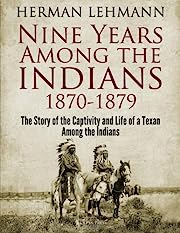
"Nine Years Among the Indians, 1870-1879" is a memoir written by Hermann Lehmann. It tells the true story of Lehmann's capture as a young boy by a Native American tribe and his subsequent years living among them. Here's a brief overview of the book:
Hermann Lehmann was a German immigrant who settled with his family in Texas in the late 1860s. In 1870, when he was just ten years old, he and his older brother were kidnapped by a raiding party of Apache Indians. His brother managed to escape, but Hermann was taken deep into the rugged and unforgiving lands of the American Southwest.
The book describes Lehmann's experiences living among various Native American tribes, including the Apache and Comanche. It provides insights into their way of life, customs, and beliefs. Lehmann gradually adapted to his new environment, learning the languages and survival skills necessary to navigate the harsh conditions.
During his nine-year captivity, Lehmann witnessed tribal conflicts, participated in buffalo hunts, and experienced both the joys and sorrows of Native American life. He formed deep bonds with some members of the tribes he encountered, including the chief's daughter, whom he married.
Eventually, Lehmann was recaptured by the U.S. Army in 1879 during a raid on the tribe's camp. He was then reunited with his family, who had thought him dead. Lehmann's memoir recounts his difficult adjustment to returning to a settled life after being fully immersed in Native American culture for so many years.
"Nine Years Among the Indians, 1870-1879" offers readers a unique perspective on the interactions between settlers and Native Americans during the late 19th century. It provides a firsthand account of the complexities and challenges faced by individuals caught between two distinct worlds.
Subscribe to:
Posts (Atom)